
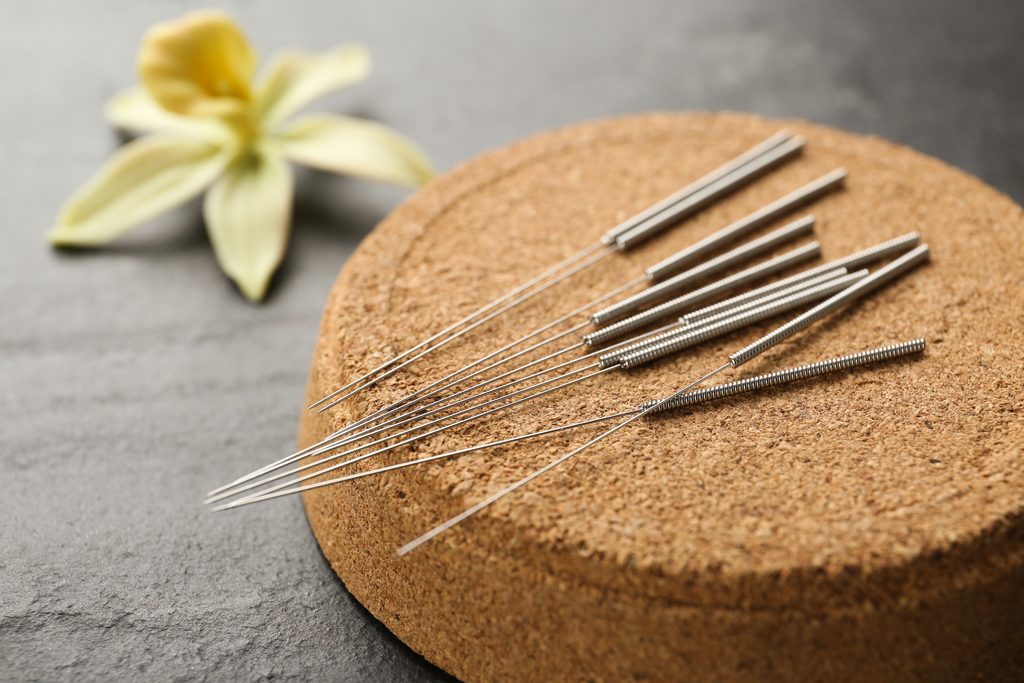
Acupuncture is one of the oldest continuously practiced forms of medicine in the world, yet for many people it remains unfamiliar. Some associate it almost entirely with back pain. Others have heard of acupuncture being used for migraines, stress, digestive symptoms, menopause, fertility care, or the side effects of cancer treatment and reasonably wonder how one approach could have a place in so many different areas of health.
The answer requires some nuance.
Acupuncture is not a cure-all, and the evidence supporting its use is stronger for some conditions than for others. At the same time, acupuncture has been studied extensively, and major medical organizations now recognize a role for it in several areas of care, particularly certain forms of chronic pain and supportive cancer care. The National Center for Complementary and Integrative Health (NCCIH), part of the National Institutes of Health, notes evidence supporting acupuncture for several pain conditions as well as selected non-pain conditions, including allergic rhinitis and treatment-related nausea and vomiting. (nccih.nih.gov)
For me, however, acupuncture has never been simply a list of conditions that can or cannot be treated.
It is an active practice.
I am paying attention to what the patient tells me, what I observe, how the body responds to treatment, and what changes from one visit to the next. The patient is participating too. We are looking for patterns, noticing responses, and deciding whether we are moving in the right direction.
That is one reason I think the better question is not simply, “Does acupuncture work?”
It is:
When might acupuncture be a useful part of my health care?
At Alpine Integrated Medicine, acupuncture does not have to compete with other forms of medicine. Sometimes it may play a significant role in a treatment plan. At other times it works best as a complement to medical treatment, rehabilitation, nutrition, behavioral change, or other appropriate care.
You also do not necessarily need to wait until something becomes severe before asking whether acupuncture might have a place in your health.
Pain: One of Acupuncture’s Best-Studied Uses
Pain is probably the most familiar reason people seek acupuncture, and it is also one of the areas in which the research is most developed.
Chronic pain is rarely as simple as one injured structure producing one isolated symptom. A person with ongoing low-back pain may begin moving differently to avoid discomfort. Muscles tighten. Exercise decreases. Sleep becomes less restful. Before long, a problem that began in one location is affecting several aspects of daily life.
That is why pain treatment often works best when it is active and multifaceted.
Acupuncture has been studied for chronic low-back and neck pain, osteoarthritis-related knee pain, headaches, migraines, postoperative pain, and other musculoskeletal conditions. NCCIH reports evidence supporting acupuncture as a reasonable option for several of these conditions, and the American College of Physicians has included acupuncture among non-drug treatment options for low-back pain. (nccih.nih.gov)
That does not mean every painful condition should simply be treated with acupuncture.
If someone has a significant injury, new neurological symptoms, progressive weakness, fever, or another concerning finding, we need to understand what is happening. A tendon injury may need rehabilitation. Significant arthritis may require medication, physical therapy, injections, or an orthopedic evaluation.
Acupuncture can often work alongside those treatments.
For example, one patient may experience chronic neck tightness that contributes to headaches after long hours at a computer. Another may have persistent low-back discomfort that makes exercise difficult. An athlete may have completed the early stages of recovery from an injury but continue to experience guarding, stiffness, or pain with movement.
Those are three very different patients.
My job is not to place needles according to a generic diagnosis and assume the treatment is finished. I want to understand what is happening, how long it has been happening, what makes it better or worse, and how the patient responds once we begin treatment.
The response matters.
With chronic pain, progress does not always mean that every sensation disappears immediately. It might mean fewer headaches, less intense pain, greater range of motion, improved sleep, or the ability to return to an activity that had gradually become difficult.
Those changes give us information about what to do next.

Stress, Anxiety, Sleep, and the Nervous System
Some patients come to acupuncture with a different kind of complaint.
They may describe themselves as constantly tense or unable to settle down. Their shoulders remain tight. Their mind becomes active as soon as they get into bed. A difficult period at work seems to correspond with more headaches or digestive symptoms.
We sometimes talk about these as separate problems, but patients do not experience their bodies in separate compartments. Pain affects sleep. Poor sleep affects stress tolerance. Stress can affect digestion. Physical tension can contribute to headaches.
Acupuncture is frequently used by patients seeking support for stress, anxiety symptoms, and sleep. Research in these areas is encouraging, although the evidence is not as established as it is for several pain conditions.
NCCIH describes limited evidence suggesting acupuncture may improve anxiety symptoms while emphasizing that better-quality research is still needed. A review of 27 randomized trials involving more than 1,700 participants reported improvements in anxiety symptoms but also identified important limitations in the existing literature. (nccih.nih.gov)
Research regarding insomnia is similarly mixed. Reviews have found promising results in some studies, but differences in treatment methods, patient populations, research quality, and the way sleep is measured make broad conclusions difficult. (cochrane.org)
For that reason, I do not view acupuncture as a substitute for appropriate mental-health treatment or the medical evaluation of significant sleep problems.
It can be a complement.
Someone may be working with a counselor, improving exercise habits, changing a sleep routine, or using appropriate medication while also receiving acupuncture. Another patient may primarily be interested in addressing the physical manifestations of stress: tight shoulders, jaw tension, headaches, or a sense that the body has difficulty relaxing.
I find it useful to keep the question simple: What is the patient experiencing, and are we seeing a meaningful change?

Digestive Health: Used For Does Not Always Mean Proven To Treat
Digestive health is a particularly good example of why we should be careful with language around acupuncture.
People seek acupuncture for irritable bowel syndrome, constipation, nausea, abdominal discomfort, and a variety of other digestive concerns. That does not mean acupuncture has been proven to treat the underlying cause of each of those conditions.
Research on irritable bowel syndrome illustrates the distinction. Controlled studies have not consistently shown acupuncture to produce a clear advantage for overall IBS symptoms, while other research suggests there may be benefit when acupuncture is added to existing treatment. NCCIH therefore characterizes the evidence as mixed. (nccih.nih.gov)
I think that is a reasonable way to talk about it.
If someone has unexplained weight loss, blood in the stool, persistent vomiting, severe abdominal pain, or a significant change in bowel habits, acupuncture should not delay an appropriate medical evaluation.
But once we understand what we are dealing with, there may be a role for acupuncture as part of symptom management.
A patient with an established digestive disorder may notice that symptoms worsen during stressful periods. Another may be managing several issues at once, such as constipation, poor sleep, and chronic muscular tension. In those situations, acupuncture can be considered alongside nutrition, medication, gastrointestinal care, stress management, and other appropriate interventions.
The distinction matters:
“Acupuncture is used for this problem” does not automatically mean “acupuncture has been proven to cure this problem.”
For me, responsible practice means being comfortable saying both things.

Women’s Health, Menstrual Symptoms, Menopause, and Fertility Care
Women also commonly explore acupuncture for menstrual discomfort, menopausal symptoms, pelvic complaints, and support during fertility care.
Again, the research depends heavily on the particular question.
Some studies have found improvement in menstrual pain, while systematic reviews have also pointed to limitations in study quality and differences in treatment protocols. Evidence is therefore encouraging in some areas without being definitive. (cochrane.org)
Menopause offers a similar example. Some women report improvement in hot flashes and other symptoms with acupuncture, and studies comparing acupuncture with no treatment have found benefits. Comparisons with control procedures have produced less consistent differences. Hormone therapy remains a more effective treatment for hot flashes for patients who are appropriate candidates for it. (nccih.nih.gov)
That does not make acupuncture irrelevant. It puts it in context.
A woman may choose acupuncture as one part of a larger approach to menopause that also considers sleep, movement, nutrition, hormone therapy, nonhormonal medication, or other individualized treatment.
Fertility care deserves particular care in how we discuss expectations.
Patients trying to conceive are often presented with a tremendous number of recommendations, and it can become difficult to distinguish supportive care from claims that a particular intervention will increase the likelihood of pregnancy.
Acupuncture is commonly used during fertility treatment, and some patients find value in the experience, particularly for relaxation and symptom support. However, acupuncture performed around IVF embryo transfer has not been demonstrated to increase live-birth rates. The American Society for Reproductive Medicine has specifically reviewed this question. (asrm.org)
I think patients deserve to know that.
A person can find acupuncture useful during fertility treatment without being promised that it will make IVF succeed.
That is an important principle of integrative medicine: a treatment does not need to replace everything else, or accomplish everything by itself, in order to have value.
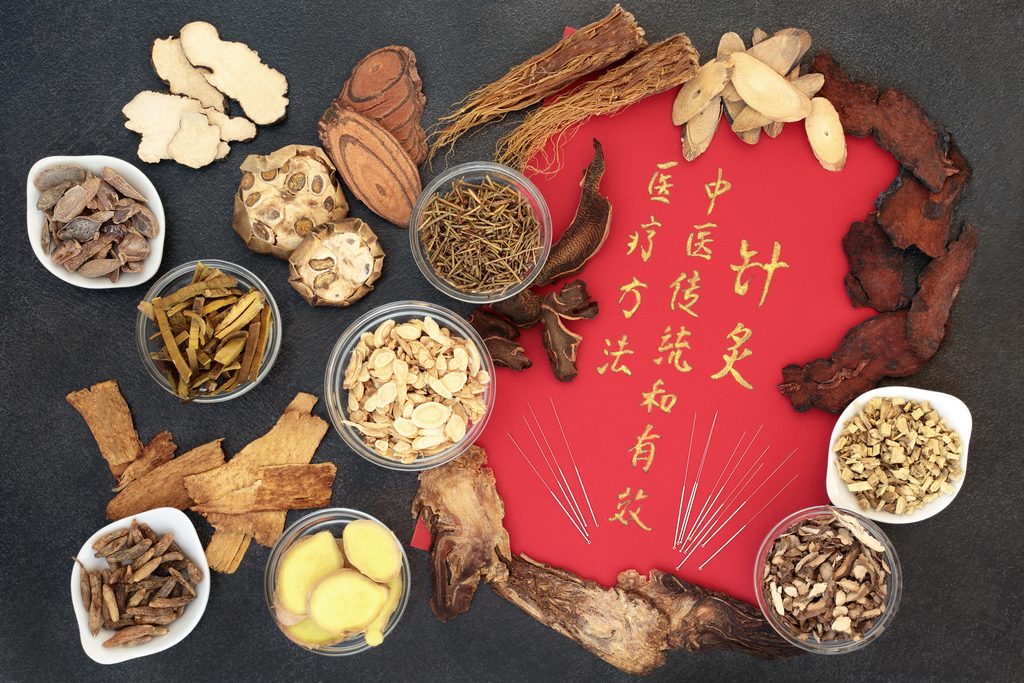
Supportive Cancer Care: Integration in Practice
Cancer care may be one of the clearest examples of how acupuncture can fit into modern medicine without competing with it.
There should be no ambiguity about the distinction.
Acupuncture is not a treatment for eliminating cancer. It does not replace oncology care, chemotherapy, radiation therapy, surgery, immunotherapy, or other indicated cancer treatments.
It can, however, have a meaningful role in helping some people manage symptoms related to cancer or its treatment.
Acupuncture has been studied for chemotherapy-related nausea and vomiting, cancer-related pain, aromatase-inhibitor-related joint pain, dry mouth, fatigue, and chemotherapy-induced peripheral neuropathy.
The Society for Integrative Oncology and the American Society of Clinical Oncology have jointly developed evidence-based guidance for integrative approaches to cancer-related pain. Their recommendations state that acupuncture should be offered for aromatase-inhibitor-related joint pain in breast-cancer survivors and may be offered for certain other forms of cancer-related or musculoskeletal pain. Acupuncture may also be considered for chemotherapy-induced peripheral neuropathy, although evidence in that area is less certain. (ascopubs.org)
I find this particularly useful because it illustrates what complementary medicine can look like when it is practiced well.
The oncologist treats the cancer. Medication may be needed for nausea or pain. Physical therapy may help maintain strength and function. Nutrition and movement remain important.
Acupuncture can join that plan when there is a reasonable reason for it to be there.
It does not need to compete with another treatment to make a contribution.
Allergies, Blood Pressure, Weight Management, and Addiction
Acupuncture has been investigated for many additional health conditions, but I do not believe they should all be presented as though the evidence were equal.
Seasonal Allergies
Seasonal allergies are one area where research is encouraging. Studies suggest acupuncture may improve nasal symptoms and quality of life for some patients with allergic rhinitis. A clinical guideline from the American Academy of Otolaryngology–Head and Neck Surgery has included acupuncture among the nonpharmacologic options clinicians may offer interested patients. (nccih.nih.gov)
For someone who struggles every spring with congestion, sneezing, itchy eyes, or a runny nose, acupuncture may therefore be reasonable to consider.
That does not require abandoning an antihistamine, nasal therapy, environmental strategies, or another allergy treatment that is already helping.
Blood Pressure
Acupuncture is also being studied as a complementary approach to blood-pressure management.
Some recent research has reported reductions in systolic and diastolic blood pressure, but the number and quality of studies remain insufficient to consider acupuncture an established treatment for hypertension.
This is another area where complementary really does mean complementary.
Acupuncture should not replace blood-pressure monitoring, exercise, dietary changes, prescribed medication, or medical management. If it is used, it should be placed inside that larger plan.
Weight Management
Weight management is also an interesting area of current research.
Healthy weight regulation is complex. Nutrition, exercise, sleep, metabolic health, medications, body composition, behavioral patterns, and preservation of muscle mass can all matter.
Recent systematic reviews suggest acupuncture may provide a modest additional benefit when it is incorporated into lifestyle-based weight-management programs. Importantly, the research is more supportive of acupuncture alongside lifestyle intervention than as a substitute for it. (pubmed.ncbi.nlm.nih.gov) (pubmed.ncbi.nlm.nih.gov)
That fits how I prefer to think about treatment.
If a patient is already working on nutrition, exercise, sleep, metabolic health, or medical weight management, acupuncture may be one more active part of that process.
It is not a shortcut around it.

Addiction and Smoking Cessation
Acupuncture has also been used in programs for nicotine dependence, alcohol use, and other substance-use disorders.
Here the evidence requires restraint.
Current research does not support acupuncture as a replacement for established addiction treatment. There may be some benefit as supportive care for symptoms such as anxiety, cravings, or withdrawal, but evidence for long-term substance-use outcomes remains limited. (nccih.nih.gov)
The same applies to smoking cessation. Research has not shown a consistent sustained long-term benefit from acupuncture alone.
Someone trying to stop smoking or recover from substance dependence deserves access to the treatments most likely to help. Acupuncture may be one supportive tool, but it should remain part of a comprehensive recovery strategy.
What Does a Course of Acupuncture Actually Look Like?
One of the most common questions I hear is:
How many treatments will I need?
There is no single answer.
Acupuncture is an active practice, and treatment evolves according to what I am seeing and what the patient is experiencing.
The first question is what we are trying to change.
Is this a recent injury? Chronic pain that has been present for years? Recurrent migraines? Neuropathy? Muscle tension? Support during another medical treatment?
Then we begin watching the response.
For an acute problem, particularly significant pain following an injury or a flare of an established condition, I may recommend treatments relatively close together at first. Sometimes that means two or three visits per week during an initial period.
For chronic conditions, I often also prefer to see a patient several times early in the process rather than separating the first appointments by several weeks. Two or three treatments within roughly ten days can tell me quite a bit.
Did the patient respond?
How quickly?
How long did the improvement last?
Did one symptom change while another stayed the same?
Did function improve even though some discomfort remains?
Those are not incidental details. They are part of the treatment.
If relief begins to hold longer, I generally start increasing the time between visits: perhaps weekly, then every other week. Some patients eventually choose monthly treatment as a form of maintenance because they continue to find it useful.
Other patients finish a course of treatment and do not need to return unless something changes.
I am comfortable with both outcomes.
I do not think acupuncture should become an indefinite series of appointments simply because someone has started acupuncture.
We should be looking for a meaningful result.
That result may be less pain. It may be improved movement, fewer headaches, better activity tolerance, decreased muscular tension, or another outcome that matters to the patient.
If we are not seeing progress, that matters too. It may mean the treatment needs to change or that acupuncture is not the appropriate tool for that particular problem.
That willingness to observe and adjust is part of the practice.

Is Acupuncture Safe?
For most people, acupuncture has a favorable safety profile when performed appropriately by a trained practitioner using sterile, single-use needles.
Minor soreness or bruising can occur. Occasionally patients feel tired or particularly relaxed after treatment. Serious complications are uncommon when appropriate technique and clinical standards are followed. NCCIH describes acupuncture as generally safe when performed by an experienced practitioner using sterile needles. (nccih.nih.gov)
Medical history still matters.
Your acupuncturist should know about medications, pregnancy, bleeding disorders, anticoagulant use, implanted medical devices, recent surgery, cancer treatment, significant immune suppression, and other important health considerations.
If you are receiving acupuncture while undergoing other medical treatment, communication between providers is useful as well.
Integrative care works better when everyone knows what the patient is doing.
Do You Have to Be Sick to Consider Acupuncture?
No.
Acupuncture is often introduced to patients because something hurts, but illness is not the only reason someone may choose to receive it.
Some patients continue occasional treatment after their original problem has improved because they have learned to notice patterns in their health earlier.
They recognize when tension begins returning to the neck. They notice when an old injury starts to tighten as exercise increases. They realize that several nights of poor sleep are beginning to affect headaches, digestion, or stress.
That does not mean we should claim that monthly acupuncture has been proven to prevent disease in healthy people. The evidence does not support a statement that broad.
What I think acupuncture can encourage is attention.
It asks the patient to notice.
How am I sleeping?
Where am I holding tension?
Has this pain changed?
What happens when I exercise?
Am I improving from one week to the next?
That is another reason I describe acupuncture as an active practice.
The needles are part of it, certainly. But the treatment also includes observation, communication, response, and adjustment.
The patient participates in that process.
So, Who Is a Good Candidate for Acupuncture?
There is no single diagnosis that defines a good acupuncture candidate.
Instead, I think about three basic questions:
Is there a symptom or health goal for which acupuncture has a reasonable role?
Can acupuncture be used safely for this person?
How does it fit with everything else we are doing?
For certain chronic pain conditions, headaches, osteoarthritis symptoms, allergic rhinitis, and selected symptoms associated with cancer treatment, there is meaningful evidence supporting acupuncture.
In other areas, including anxiety symptoms, digestive complaints, menstrual and menopausal symptoms, weight management, and substance-use recovery, acupuncture may have a complementary role, but the evidence is more variable and expectations should reflect that.
Sometimes I recommend acupuncture with confidence.
Sometimes I recommend trying it and watching carefully to see what happens.
And sometimes I tell a patient that I do not think acupuncture is the most important thing they need.
Those are all legitimate outcomes of the same conversation.
You do not need to decide beforehand whether your concern is an “acupuncture problem.”
Tell me what is happening.
Tell me what you would like to change.
Tell me what else you are already doing for your health.
Then we can decide together whether acupuncture has a useful role.
Dr. Nelson Valentin, OMD, provides acupuncture and Traditional Chinese Medicine services at Alpine Integrated Medicine.
Selected Sources
National Center for Complementary and Integrative Health. Acupuncture: Effectiveness and Safety. National Institutes of Health.
National Center for Complementary and Integrative Health. Anxiety and Complementary Health Approaches.
National Center for Complementary and Integrative Health. Irritable Bowel Syndrome and Complementary Health Approaches: What the Science Says.
National Center for Complementary and Integrative Health. Menopausal Symptoms: In Depth.
National Center for Complementary and Integrative Health. Seasonal Allergies and Complementary Health Approaches: What the Science Says.
Mao JJ, et al. Integrative Medicine for Pain Management in Oncology: Society for Integrative Oncology–ASCO Guideline. Journal of Clinical Oncology.
American Society for Reproductive Medicine Practice Committee. Performing the Embryo Transfer: A Guideline.
Cochrane. Acupuncture for Insomnia.
Cochrane. Acupuncture for Period Pain.
Recent systematic reviews evaluating acupuncture as an adjunct to lifestyle intervention for weight management.